
From Bira to Komodo: The Delivery Voyage Most Owners Never See
Bira Boat Builder Desk
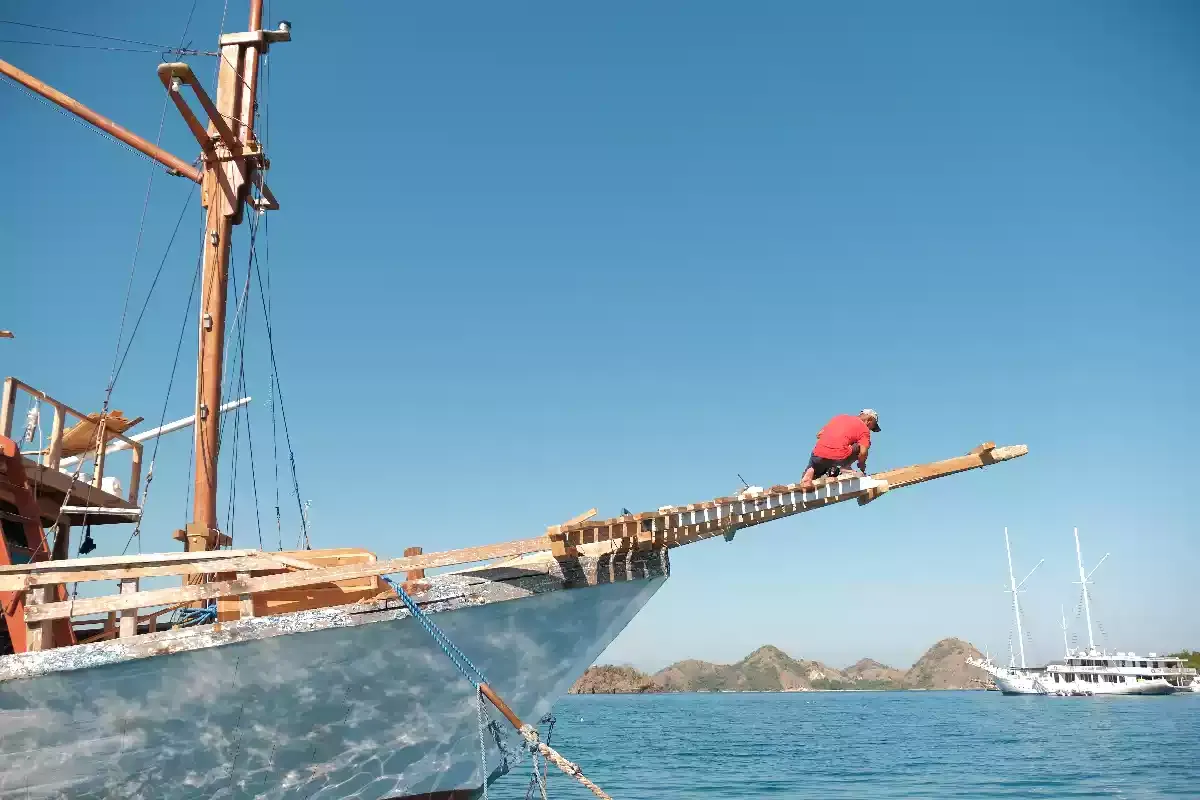
The delivery voyage from Bira to your cruising ground is the milestone owners forget to budget – and it is a real one. Getting a finished hull from the South Sulawesi coast to Komodo, Raja Ampat or beyond means crew, fuel, provisioning and time at sea, plus a shakedown that quietly proves the boat. Plan it into the schedule and the budget from the start.
What the voyage involves
- A delivery crew and skipper for the passage.
- Fuel, provisioning and any port and clearance costs.
- A shakedown that surfaces snags before your first real trip.
Why it doubles as a sea trial
A delivery passage is the boat’s first sustained test under real conditions – a useful continuation of the sea trials described on the build-process page. Snags found now are cheaper to fix than snags found mid-charter.
Budgeting for it
Delivery is one of the costs owners overlook, alongside registration fees and first-year maintenance – all itemised on the cost guide. It is arranged as part of the commissioning programme.
Ask the desk to plan your delivery or email sales@komodoluxury.com
Frequently asked questions
Is the delivery voyage from Bira included in a build?
Delivery to your cruising ground is a separate, real cost involving crew, fuel and provisioning, and it doubles as an extended sea trial. It is planned and budgeted as part of the commissioning programme rather than assumed.
Related reading
Owning, Buying & Registration
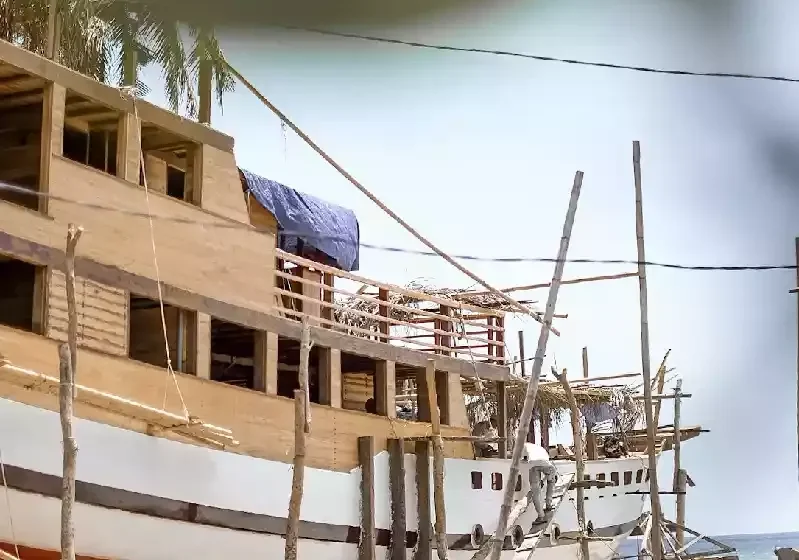
Buying a Used Phinisi at Bira: A Due-Diligence Checklist
Buying a used wooden phinisi rewards patience and punishes assumptions. Before you pay, confirm four things: clean ownership history and no liens, an indep.
Owning, Buying & Registration
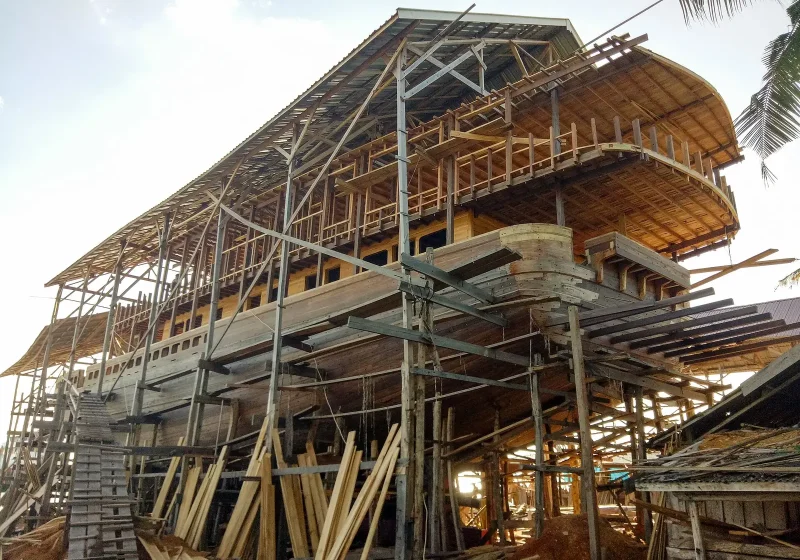
New Build or Refit? Choosing Your Path to a Wooden Boat
New build or refit comes down to what you value most: exact specification and known history, or a faster, cheaper route with more unknowns. A new build giv.
Owning, Buying & Registration
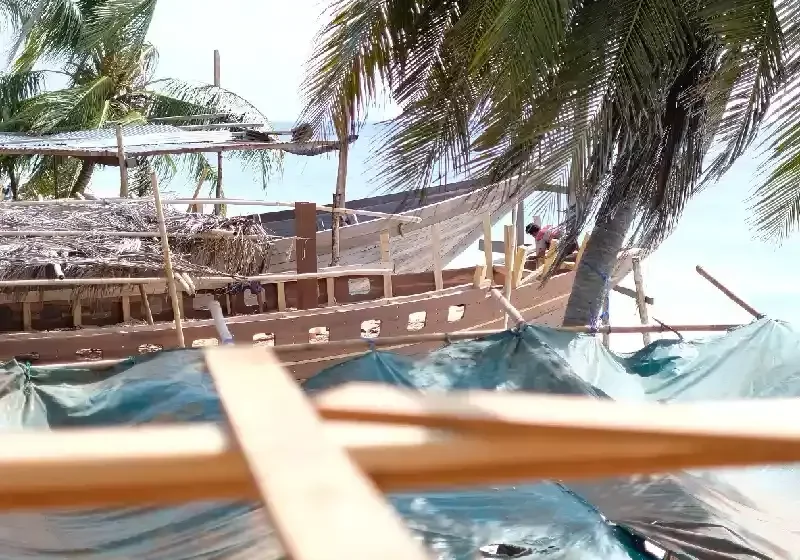
BKI, Flag and Pas Besar: Registering a Wooden Vessel in Indonesia
Registering a wooden vessel in Indonesia runs through BKI classification, gross-tonnage measurement, and flagging with a Pas Besar for larger hulls - and t.