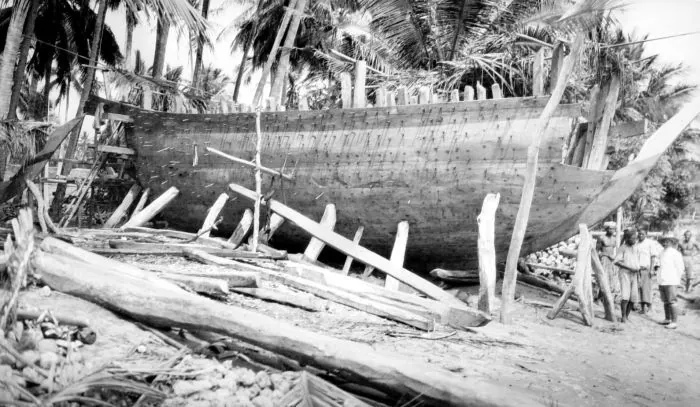
Ara is the carvers’ village. While Tanjung Bira is the headland visitors know and Tana Beru is the busiest building beach, Ara has historically supplied the carpenters and carvers whose skill sits behind boats built right along the coast. Its reputation is for craftsmen as much as for hulls.
A source of shipwrights
Ara’s carpenters have travelled to work on builds across the region, carrying the hull-first knowledge with them. That mobility is part of why the Bulukumba craft spread and endured.
Where Ara sits on the coast
Ara, Lemo-Lemo and the Bira headland form one boatbuilding coast within Bonto Bahari, with Tana Beru a short way off as a separate building beach. The geography for visitors is laid out on the yard-visit page.
The living tradition
The carvers’ skill feeds directly into the boats commissioned today; the wider story of the panrita lopi is told in a companion piece, and the craft’s recognition in the heritage page.
Arrange a visit to the Ara yards or email sales@komodoluxury.com
Frequently asked questions
Why is Ara village important to boatbuilding?
Ara is historically the carvers’ and carpenters’ village, supplying shipwrights and craftsmen to boatbuilding across South Sulawesi alongside the yards at Tanjung Bira and Tana Beru.
Related reading
Craft, Timber & Heritage
Wooden Dowels vs Steel: Why Bira Hulls Are Built Without Nails
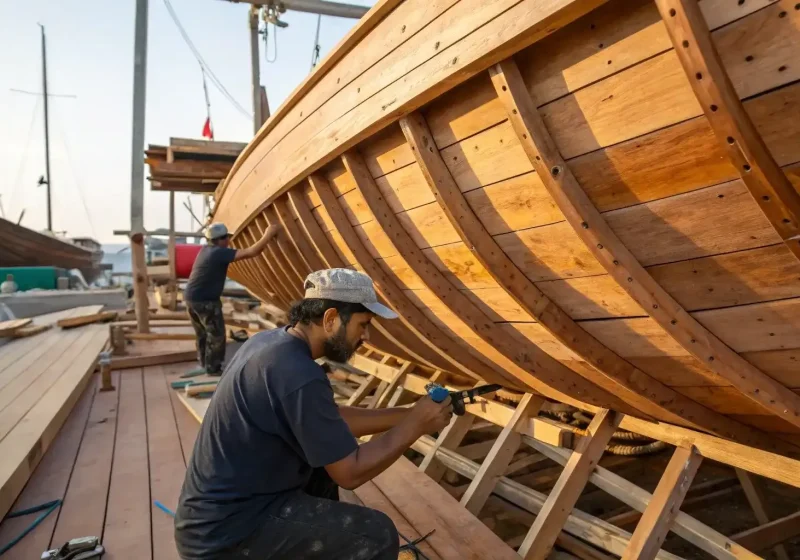
Bira hulls are dowelled, not nailed, and it is a deliberate engineering choice. Hardwood dowels - pasak - swell against the planking once wet, never corrod.
Craft, Timber & Heritage
How Long a Wooden Phinisi Hull Actually Lasts
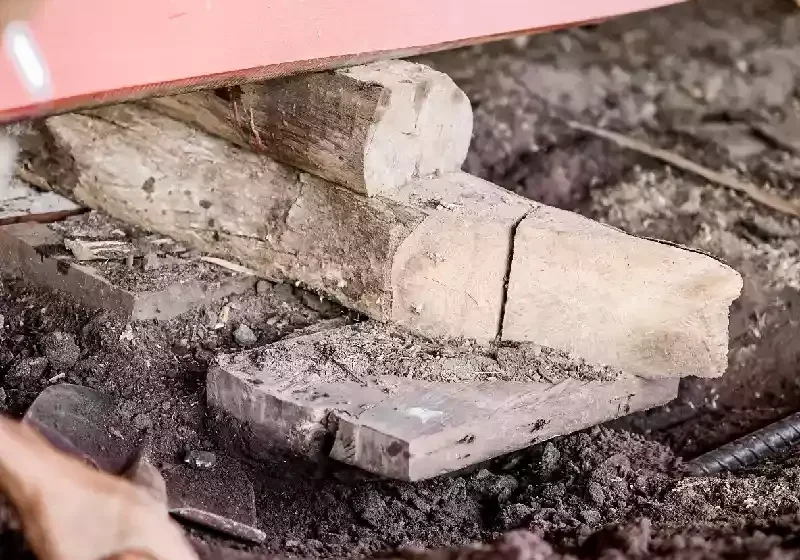
A well-built, well-maintained wooden phinisi hull routinely serves for decades. Longevity comes far less from the species alone than from three things: how.
Craft, Timber & Heritage
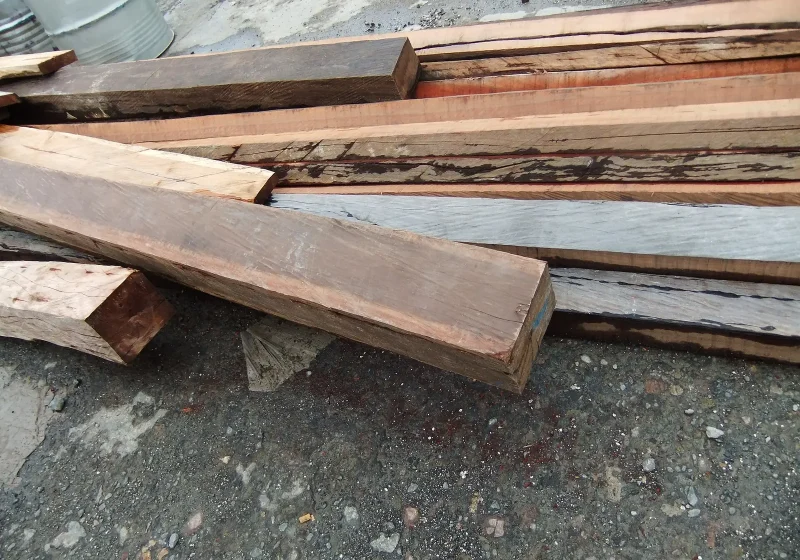
The Wood Question: Bitti, Ulin and the Sustainability Problem
The honest truth about a wooden phinisi is that its best timber is getting harder to find. Bitti, ulin ironwood and teak all come under pressure as old gro.