
New Build or Refit? Choosing Your Path to a Wooden Boat
Bira Boat Builder Desk
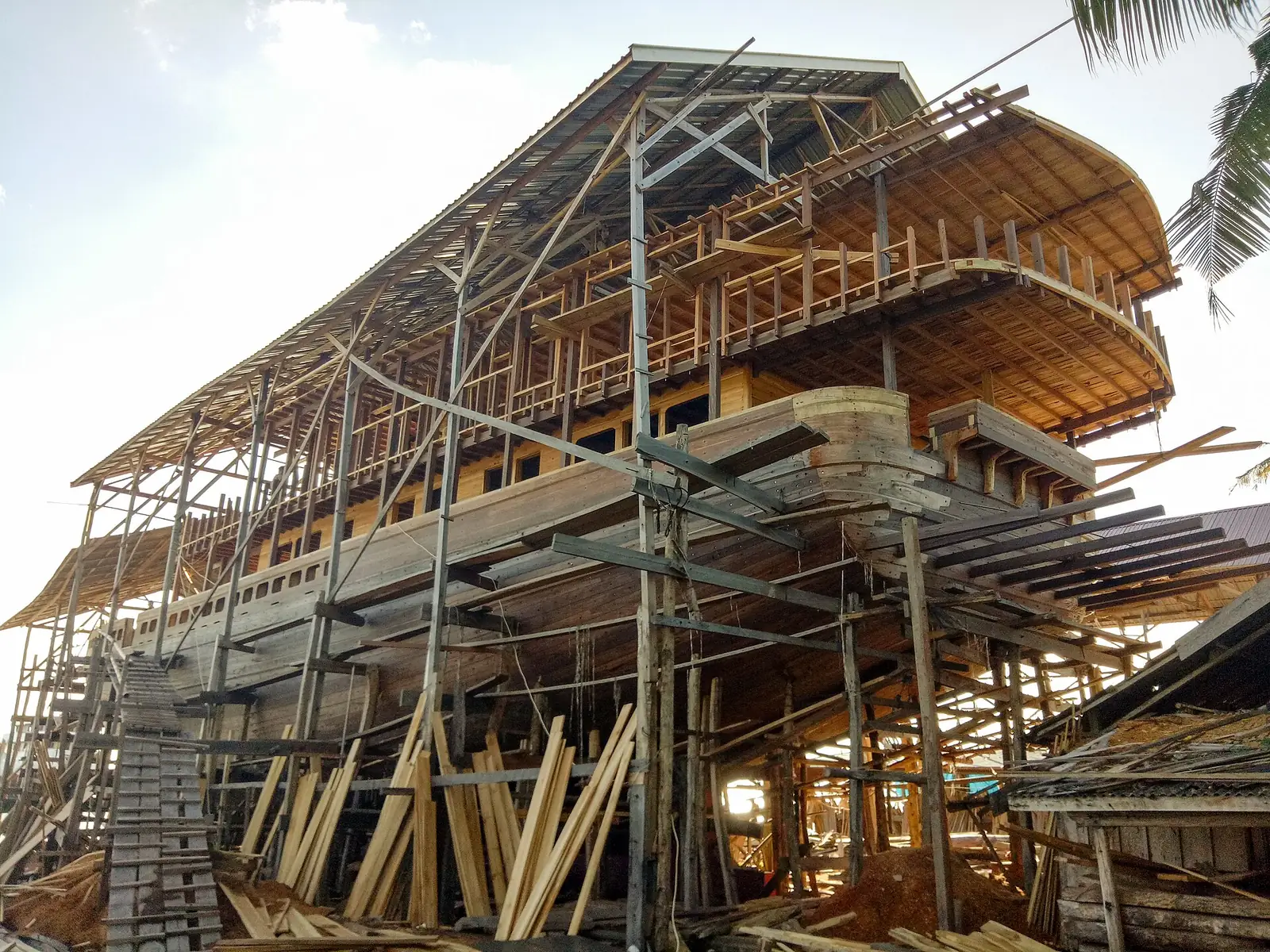
New build or refit comes down to what you value most: exact specification and known history, or a faster, cheaper route with more unknowns. A new build gives you the boat you designed with documented timber; a refit can put you afloat sooner and for less, but you inherit a hull whose past you did not control. Neither is simply better.
The case for a new build
- Exact specification, layout and systems – your boat, not a compromise.
- Known timber history and a documented build.
- A clean class and registration path from the start.
The case for a refit or used hull
- Afloat sooner, often for less capital up front.
- A proven hull, if the survey is clean.
- But: survey risk, and any latent problems come with the boat.
How to decide
If time and budget are tight and a sound hull is available, a refit or used purchase can win – subject to proper due diligence. If specification matters most, commission new through the commissioning desk. The desk can frame both paths against your budget on the for-sale page.
Weigh build vs buy with the desk or email sales@komodoluxury.com
Frequently asked questions
Is it better to build a new wooden boat or refit an old one?
A new build gives exact specification and known timber history; a refit or used hull can be faster and cheaper but carries survey risk. The right choice depends on your budget, timeline and how much the exact specification matters.
Related reading

Owning, Buying & Registration
From Bira to Komodo: The Delivery Voyage Most Owners Never See
The delivery voyage from Bira to your cruising ground is the milestone owners forget to budget - and it is a real one. Getting a finished hull from the Sou.
Owning, Buying & Registration
Buying a Used Phinisi at Bira: A Due-Diligence Checklist
Buying a used wooden phinisi rewards patience and punishes assumptions. Before you pay, confirm four things: clean ownership history and no liens, an indep.
Owning, Buying & Registration
BKI, Flag and Pas Besar: Registering a Wooden Vessel in Indonesia
Registering a wooden vessel in Indonesia runs through BKI classification, gross-tonnage measurement, and flagging with a Pas Besar for larger hulls - and t.